
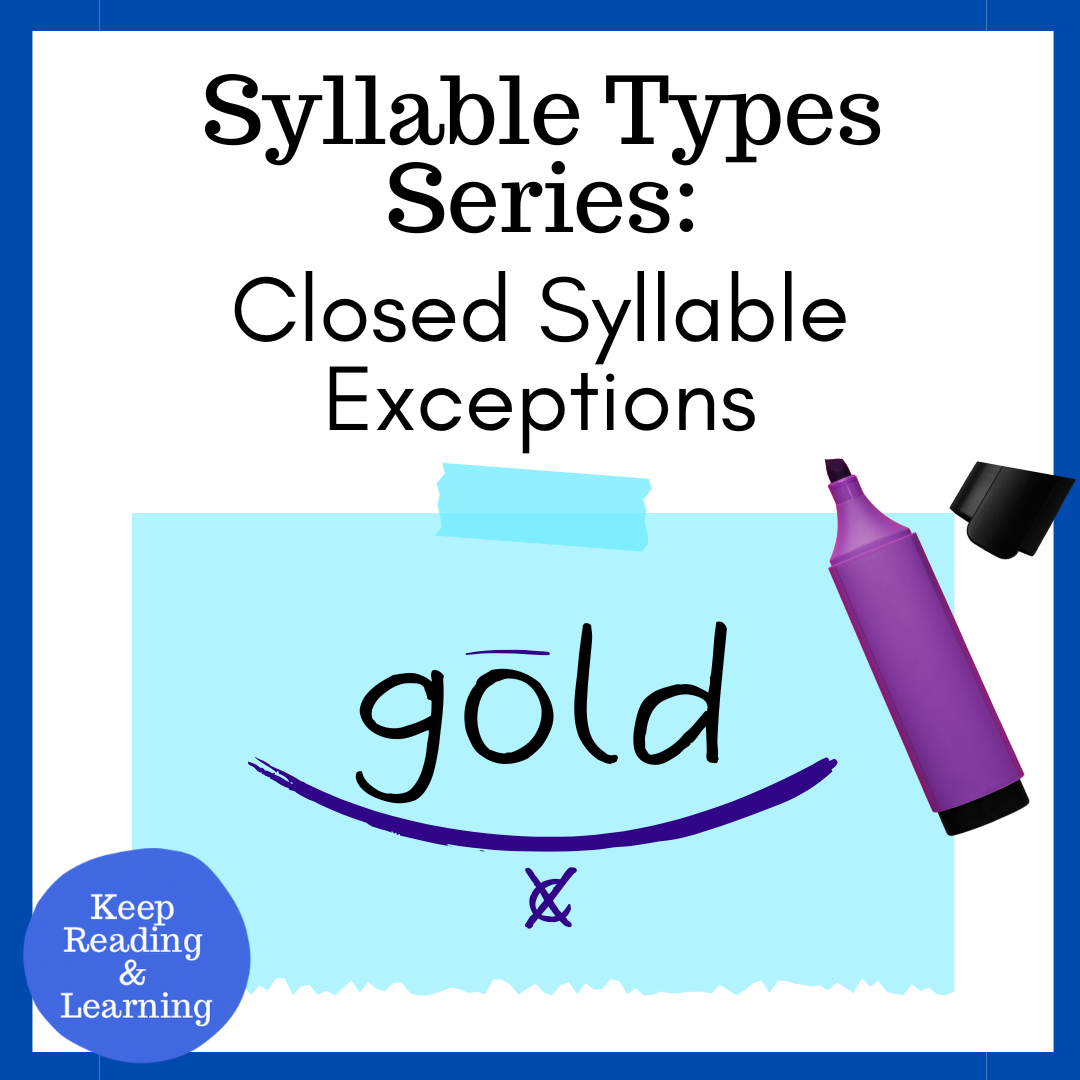
This blog post discusses closed syllable exceptions in English, specifically the vowel sounds in words like “find” and “post.” It emphasizes the importance of understanding syllable types for effective phonics instruction, providing resources and strategies for teaching these exceptions. The author encourages tailored teaching approaches to facilitate student learning.
Category: Literacy Skills
Phonological Awareness

Continue Reading
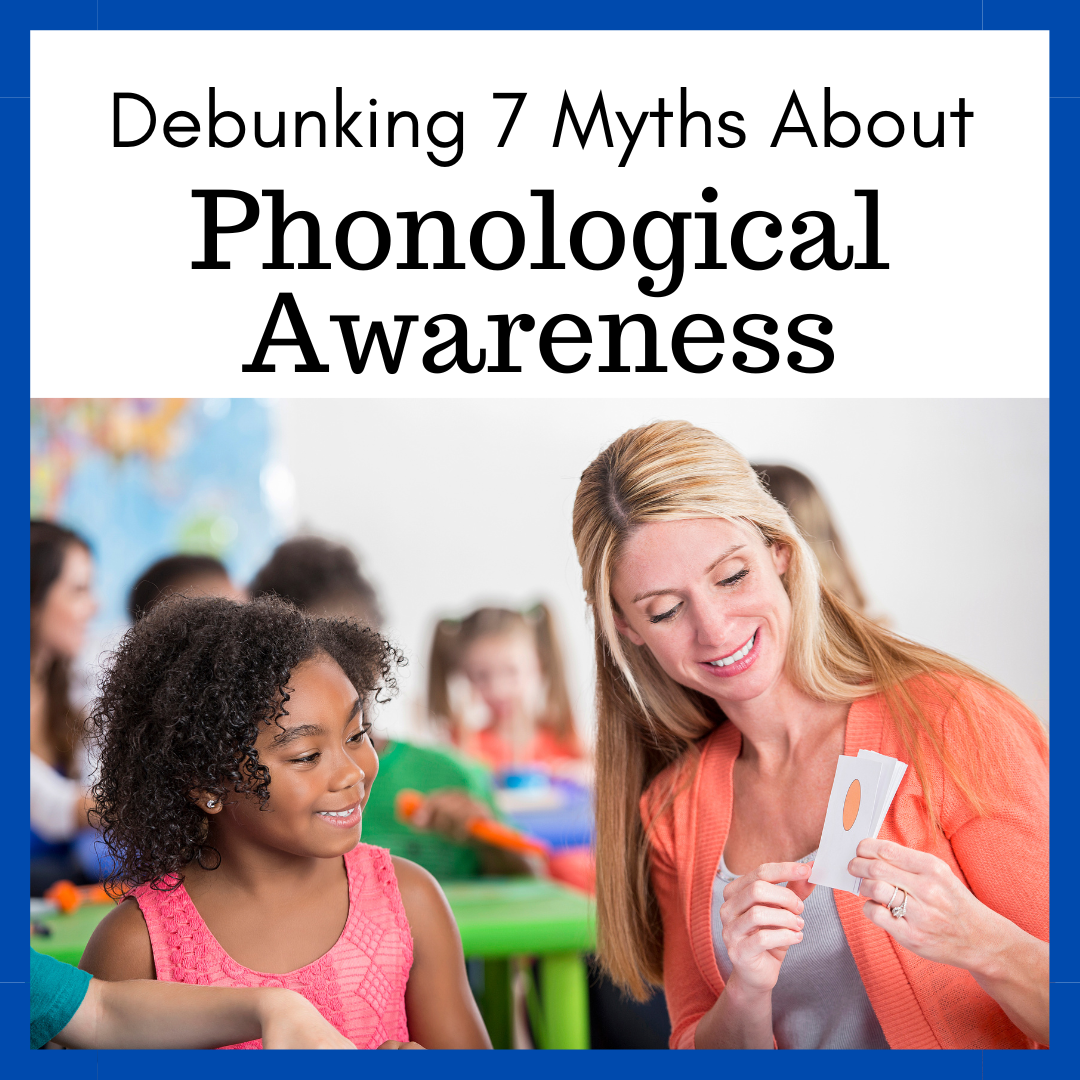
7 Myths about Phonological Awareness: What Every Educator Should Know
Phonological awareness is often misunderstood, leading to widespread myths that can hinder a child’s reading…
Intervention
Continue Reading
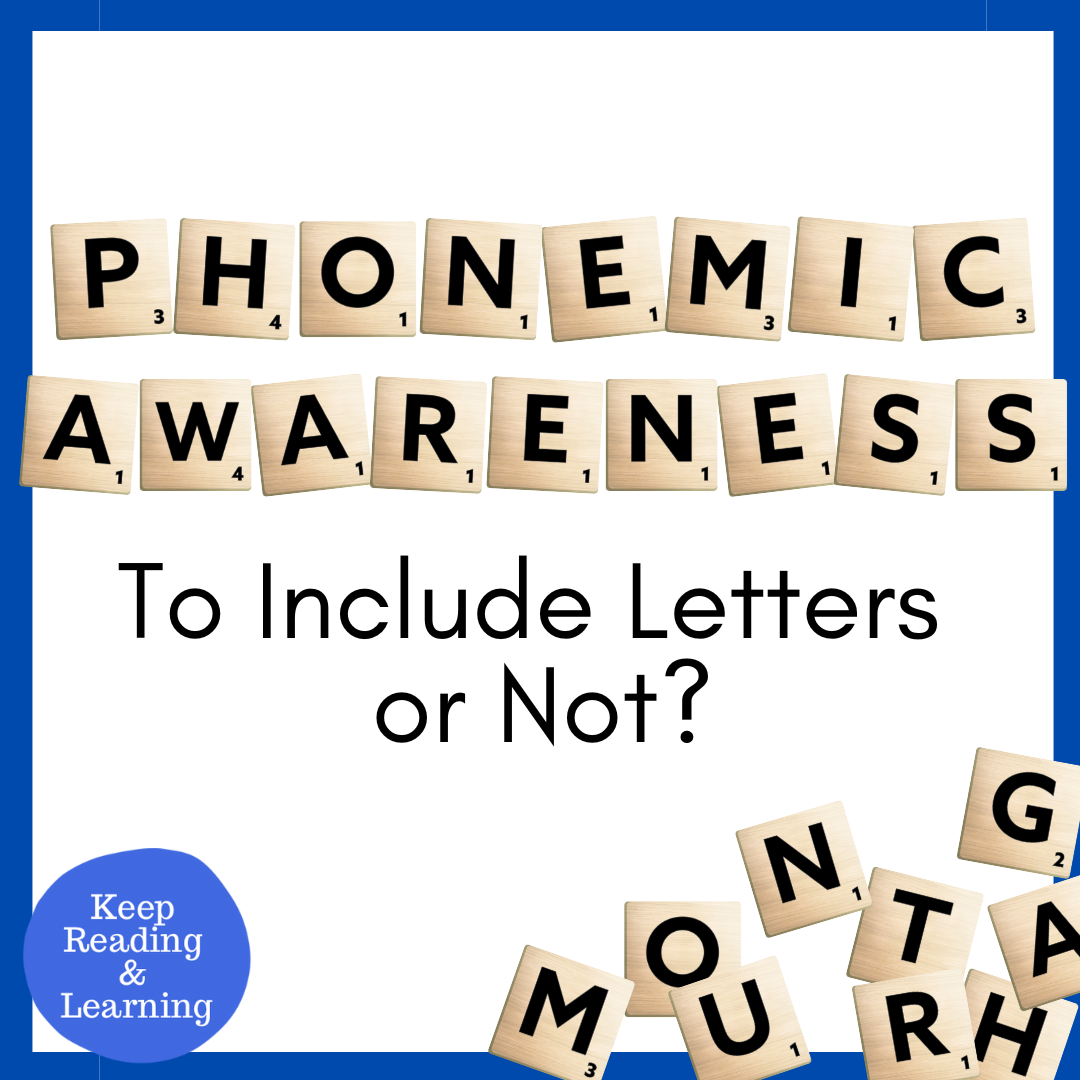
Should We Practice Phonemic Awareness with Letters?
Should phonemic awareness tasks include letters? Read on to find out the most effective way…
Intervention
Continue Reading
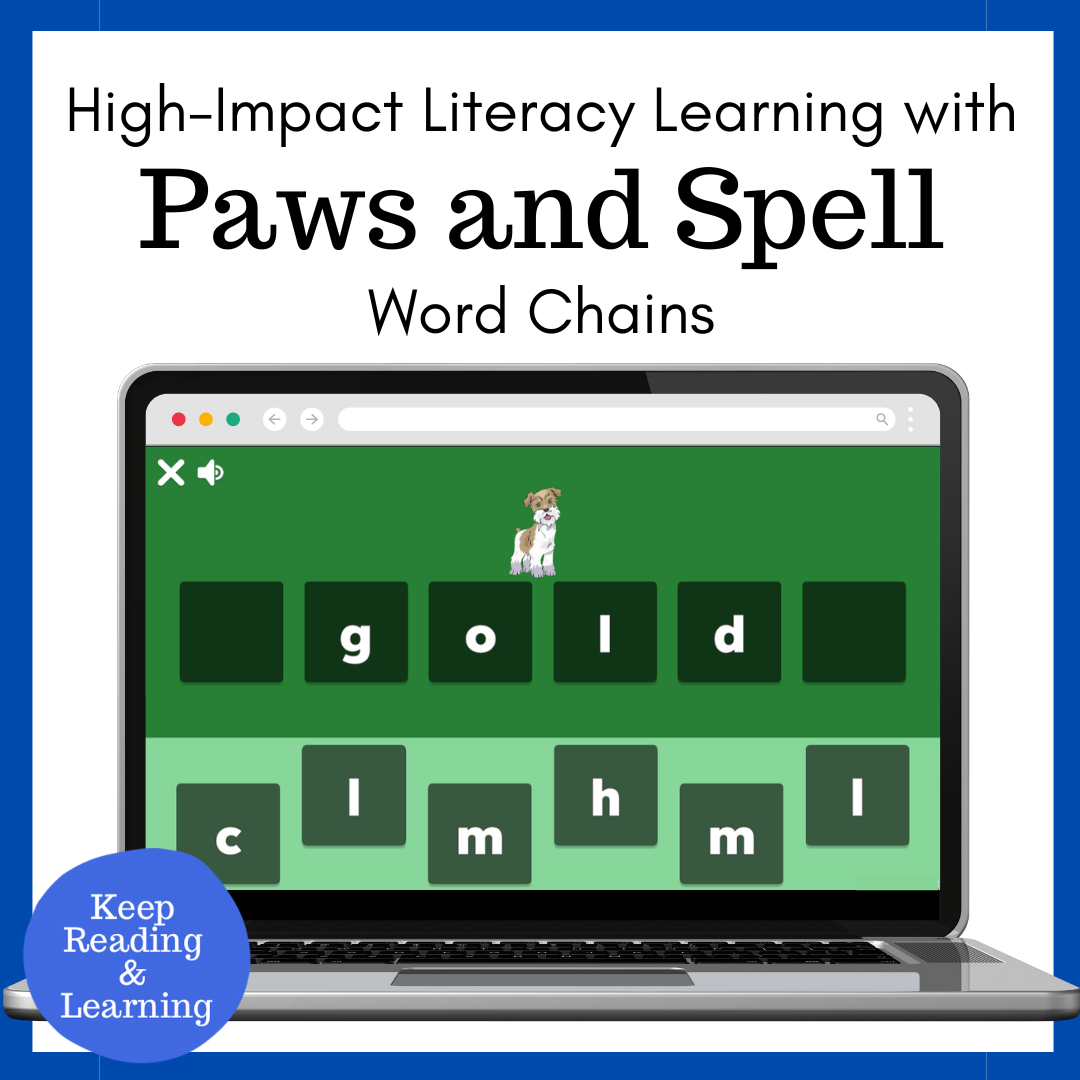
Paws and Spell: the Word Chain Game You’ve Been Waiting for!
Are you a reading teacher who has been looking for a quick but high-impact digital…
Intervention
Continue Reading
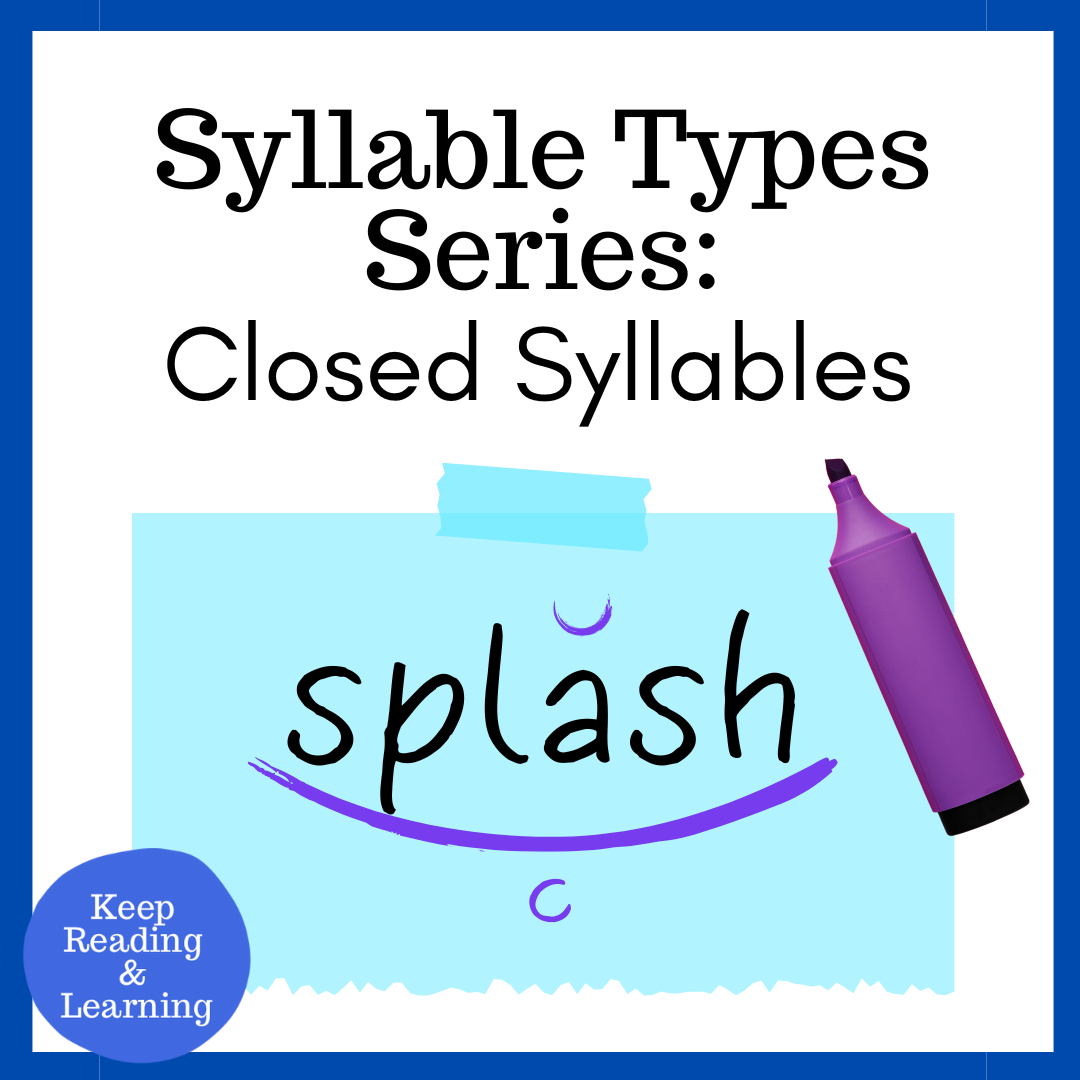
Syllable Types Series: Closed Syllables
Research shows that understanding the six syllable types boosts student performance in reading and spelling….
Intervention
Continue Reading
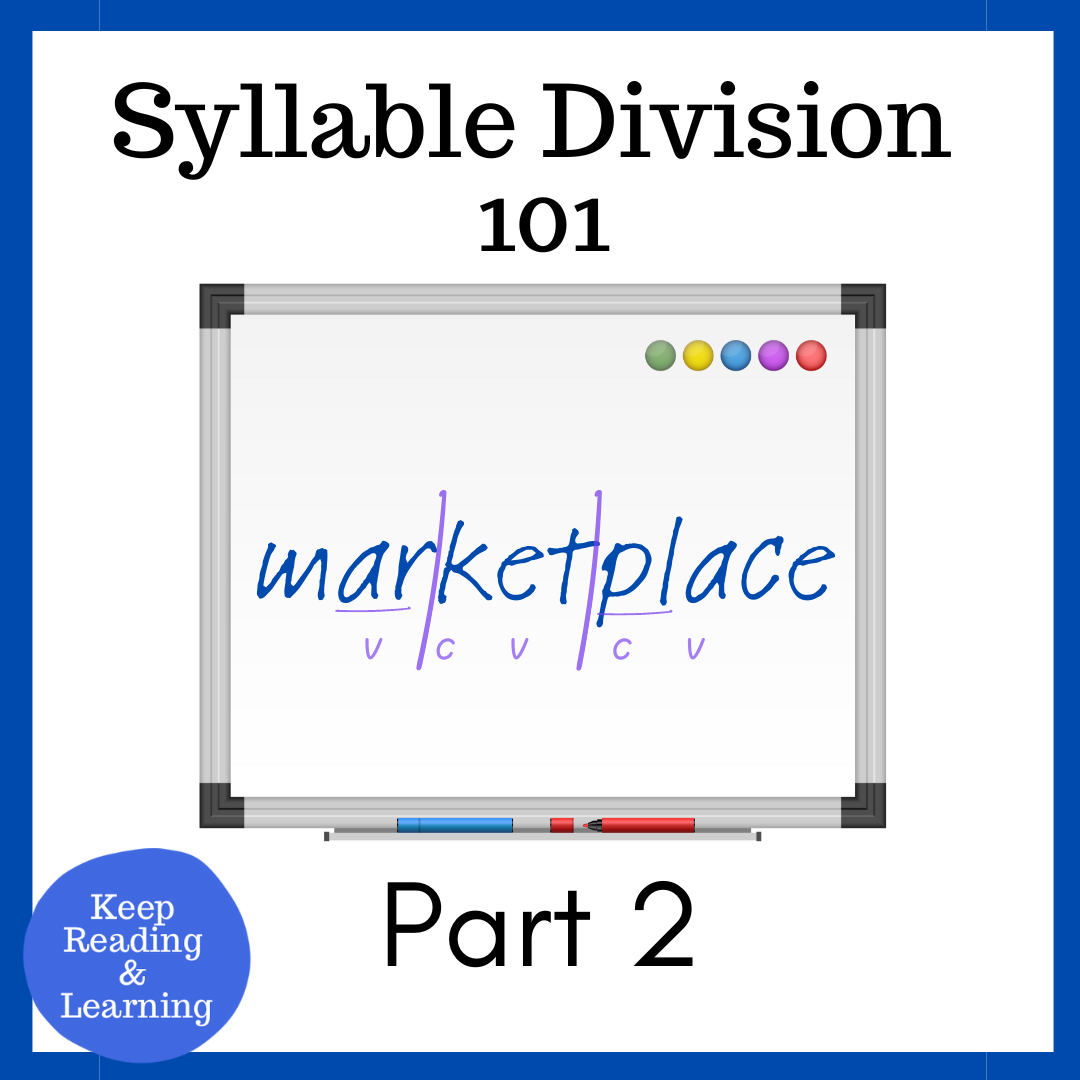
Syllable Division 101: Part 2
Have you been wanting to teach syllable division, but you’re not sure where to begin?…
Intervention
Continue Reading
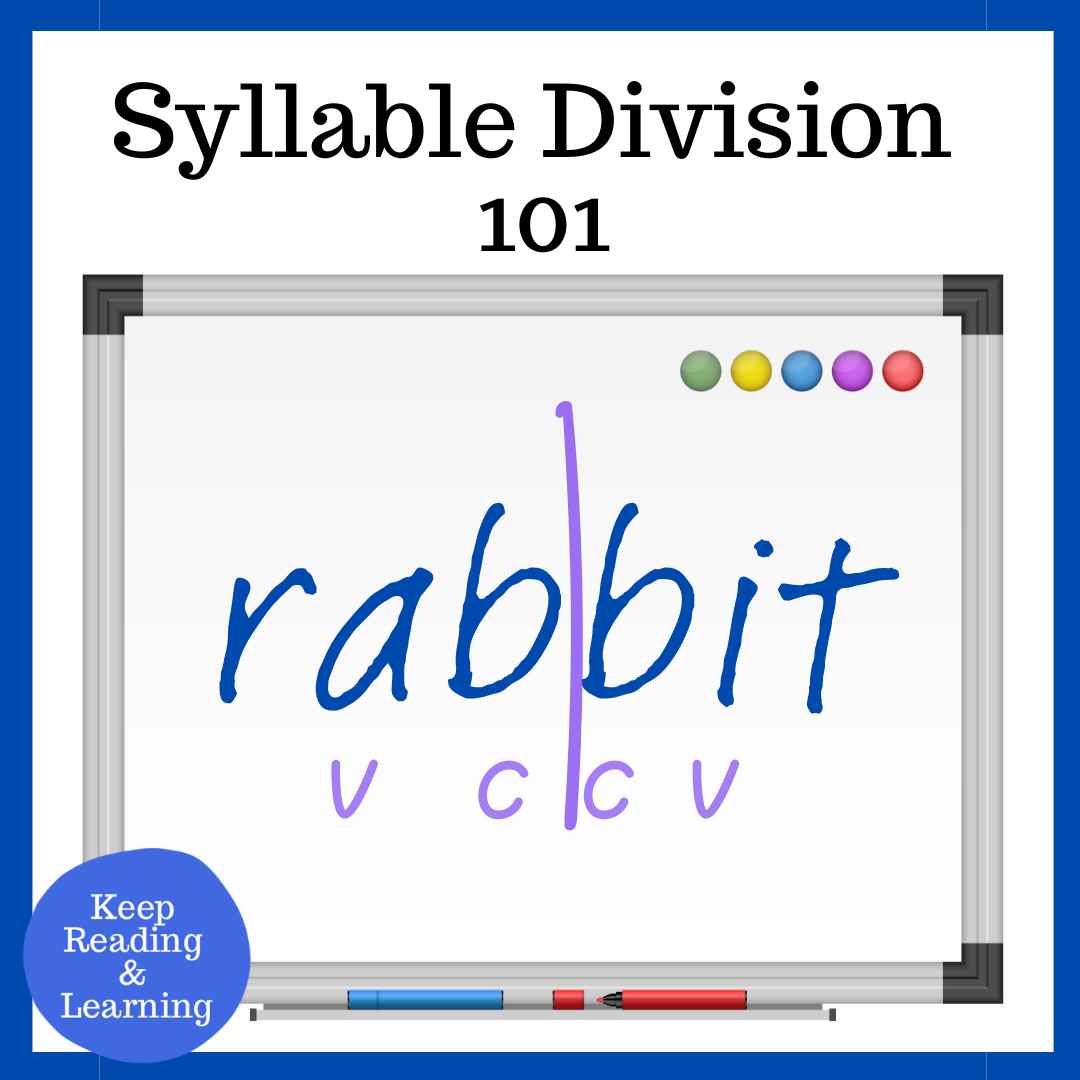
Syllable Division 101: Part 1
Have you been wanting to teach syllable division but you’re not sure where to begin?…
Literacy Skills

Continue Reading
Top 10 Books for Learning About the Science of Reading
This month, I’m sharing a list of my favorite science of reading books. Around 2012,…
Intervention
Continue Reading
A Tale of Two Conditions – ADHD and Dyslexia
Children with dyslexia and those with Attention Deficit Hyperactivity Disorder (ADHD) often exhibit similar characteristics…
Intervention
Continue Reading
Dysgraphia 101: A Teacher’s Guide to Understanding and Supporting Students
Dysgraphia is defined as “the condition of impaired letter writing by hand” or put more…
