
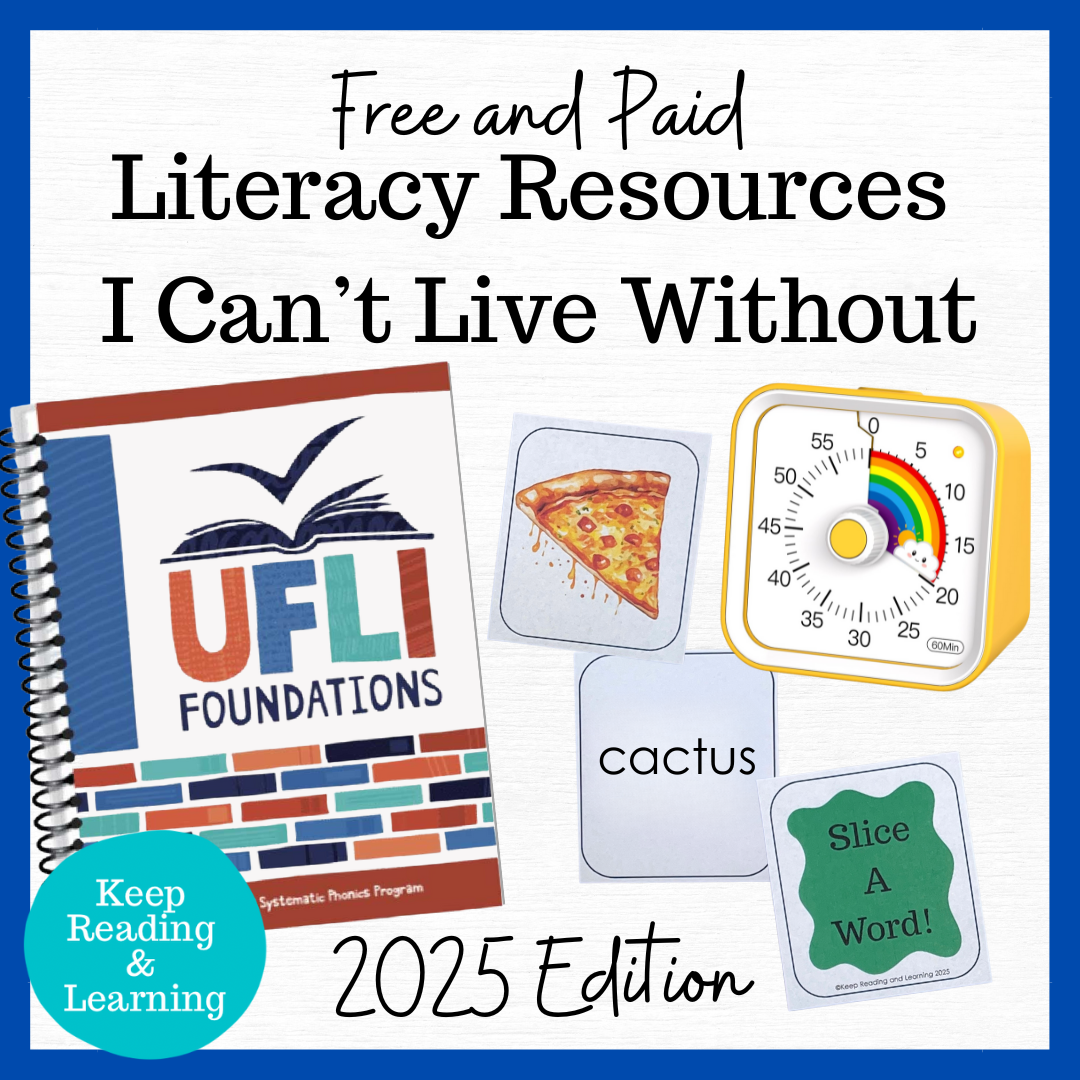
Every year, I find myself refining my go-to materials for reading intervention, and 2025 is…
Category: Intervention
Intervention

Continue Reading
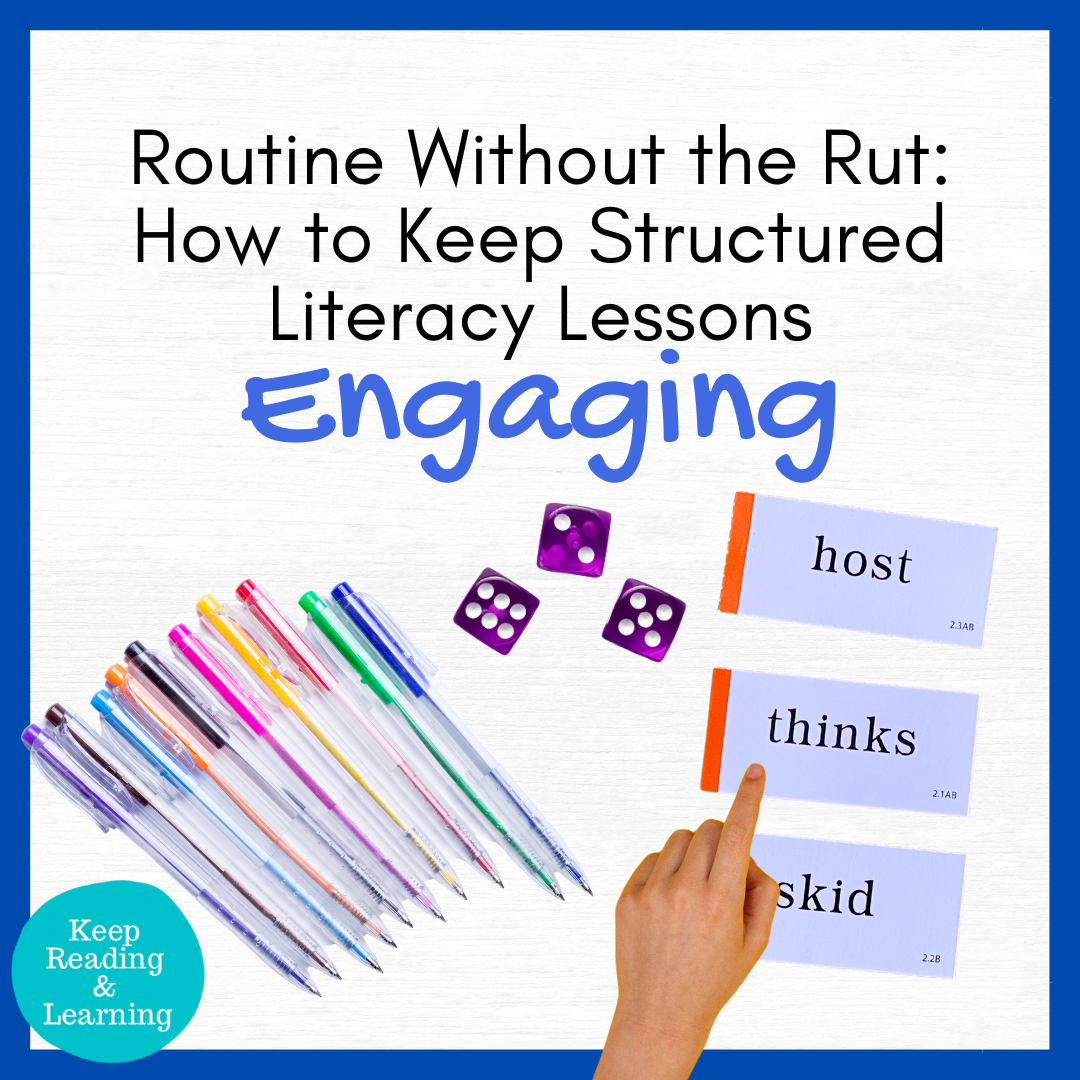
Routine Without the Rut: How to Keep Structured Literacy Lessons Engaging
Teaching structured literacy means sticking to the routines and rules that make the approach so…
Intervention
Continue Reading
10 Summer Phonics Activities to Keep Literacy Skills Sharp
Summer is a time for fun and relaxation, but it’s also when many young readers…
Intervention
Continue Reading
Top Picks: Decodable Books for Wilson, Orton Gillingham, and Structured Literacy Instruction
Are you looking for decodable books your students can confidently read at home or in…
Intervention
Continue Reading
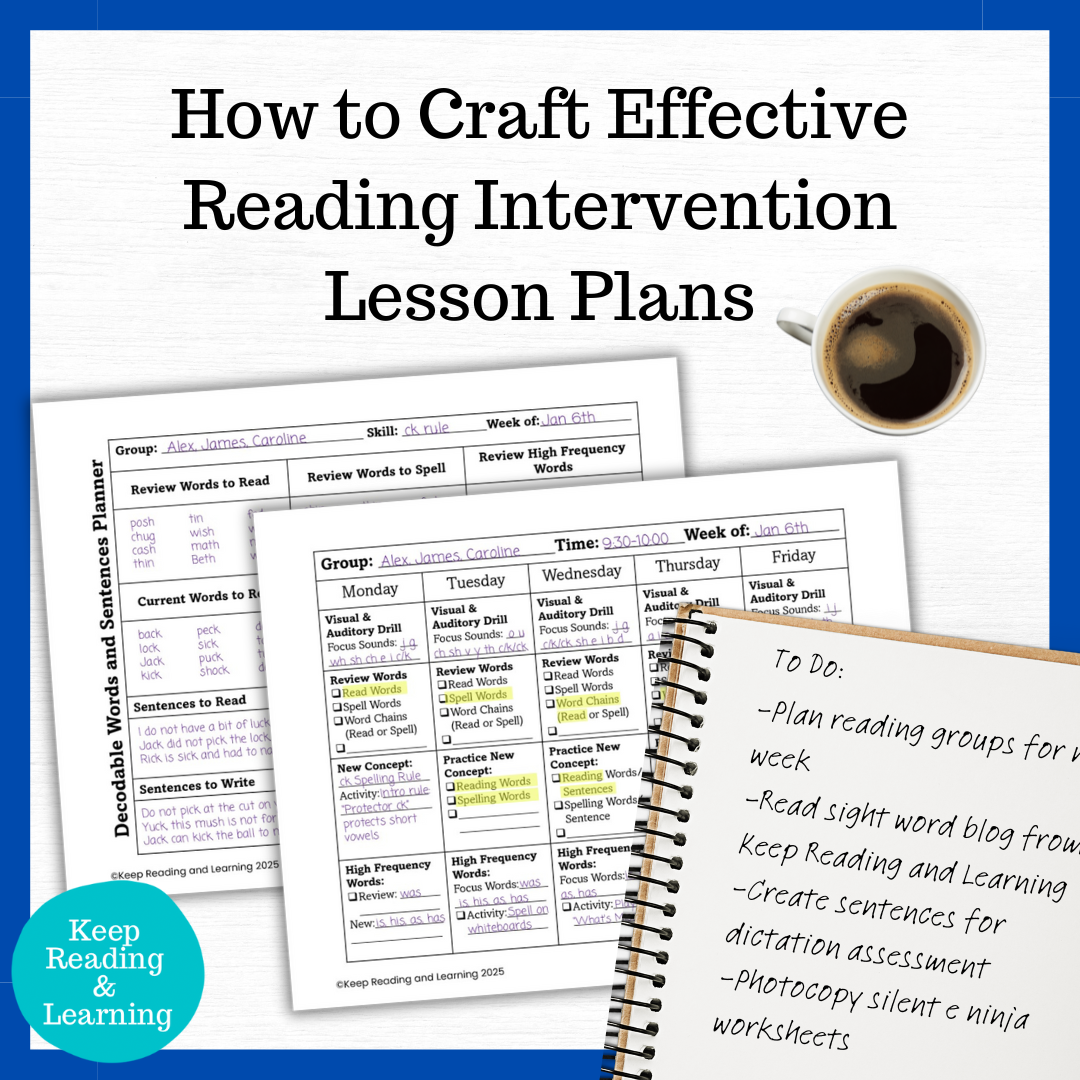
How to Craft Reading Intervention Lesson Plans
When it comes to planning reading intervention lesson plans, having a structured program can make…
Intervention
Continue Reading
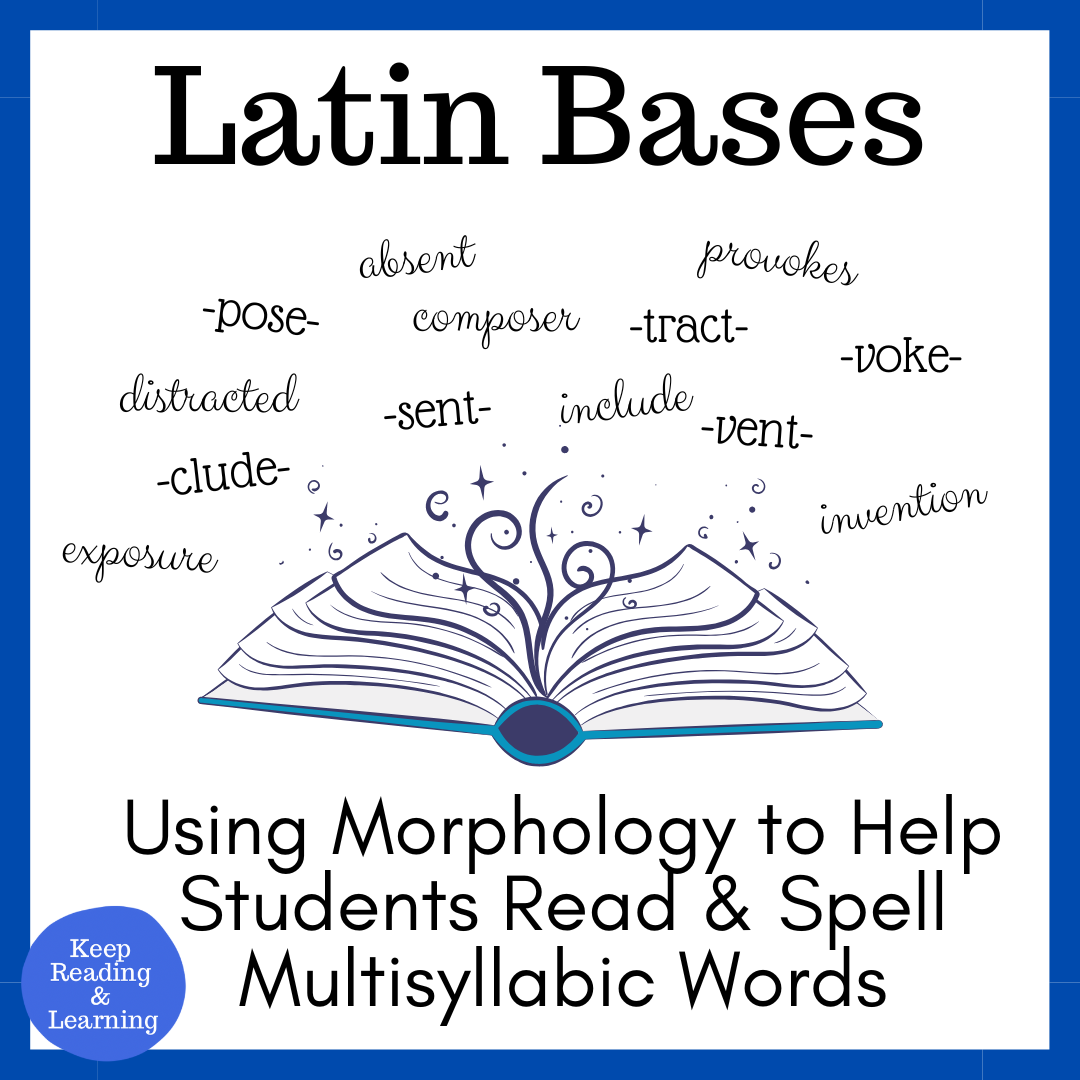
6 Ways to Incorporate Latin Bases: Help Students Read and Understand Multisyllabic Words
Does the thought of teaching morphology through Latin bases scare you? Are you afraid you…
Intervention
Continue Reading
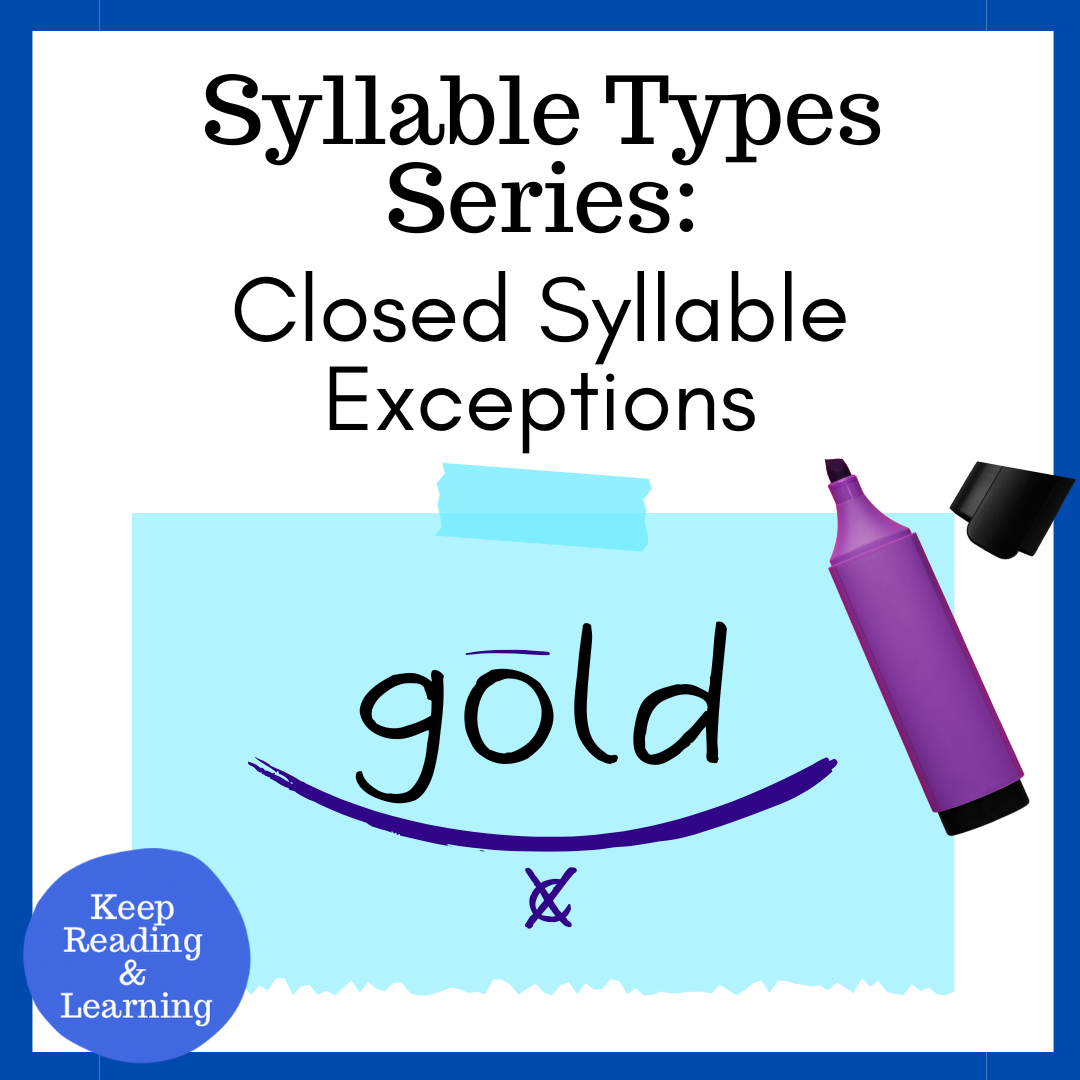
Syllable Type Series: Closed Syllable Exceptions
This blog post discusses closed syllable exceptions in English, specifically the vowel sounds in words like “find” and “post.” It emphasizes the importance of understanding syllable types for effective phonics instruction, providing resources and strategies for teaching these exceptions. The author encourages tailored teaching approaches to facilitate student learning.
Intervention
Continue Reading
Should We Practice Phonemic Awareness with Letters?
Should phonemic awareness tasks include letters? Read on to find out the most effective way…
Intervention
Continue Reading
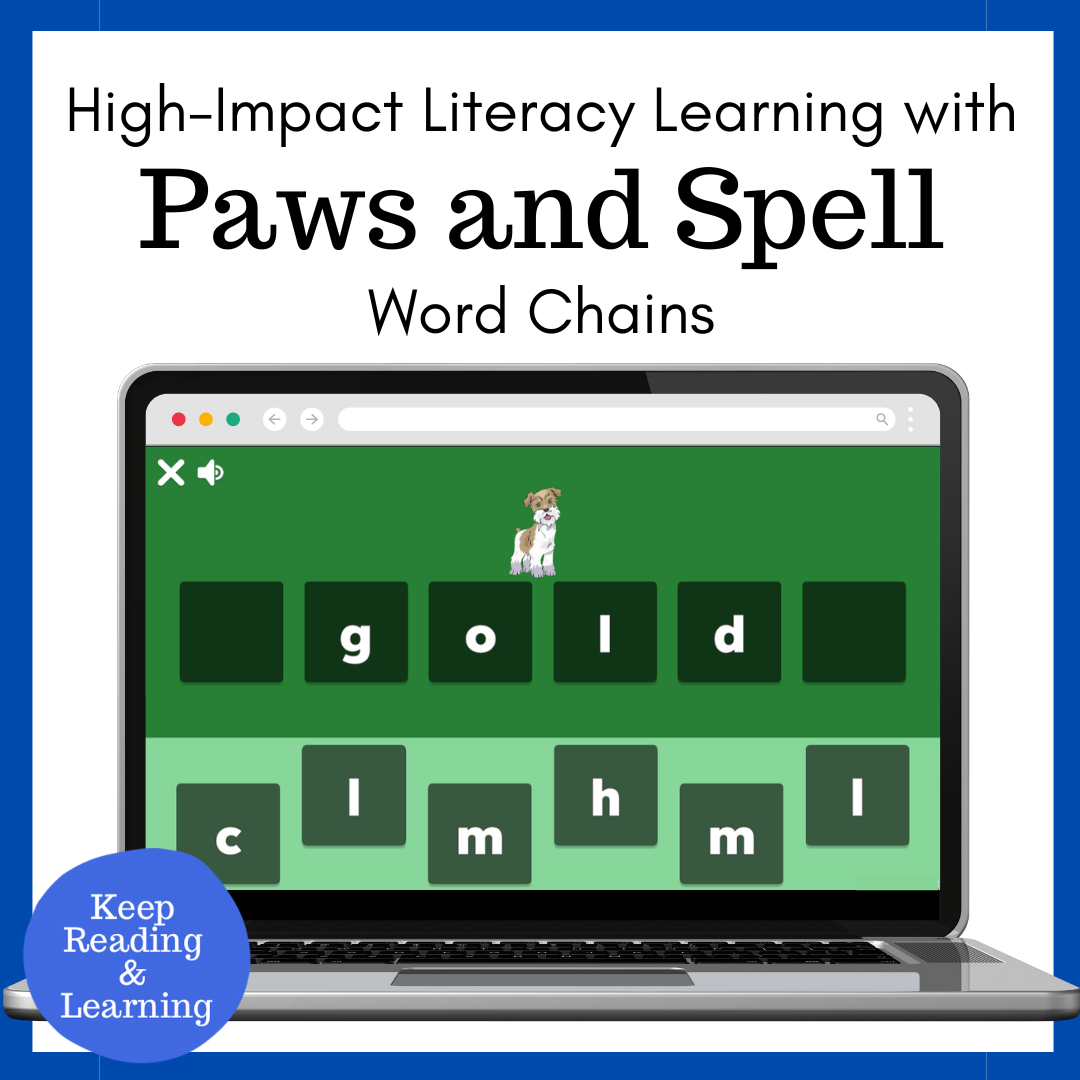
Paws and Spell: the Word Chain Game You’ve Been Waiting for!
Are you a reading teacher who has been looking for a quick but high-impact digital…
Intervention
Continue Reading
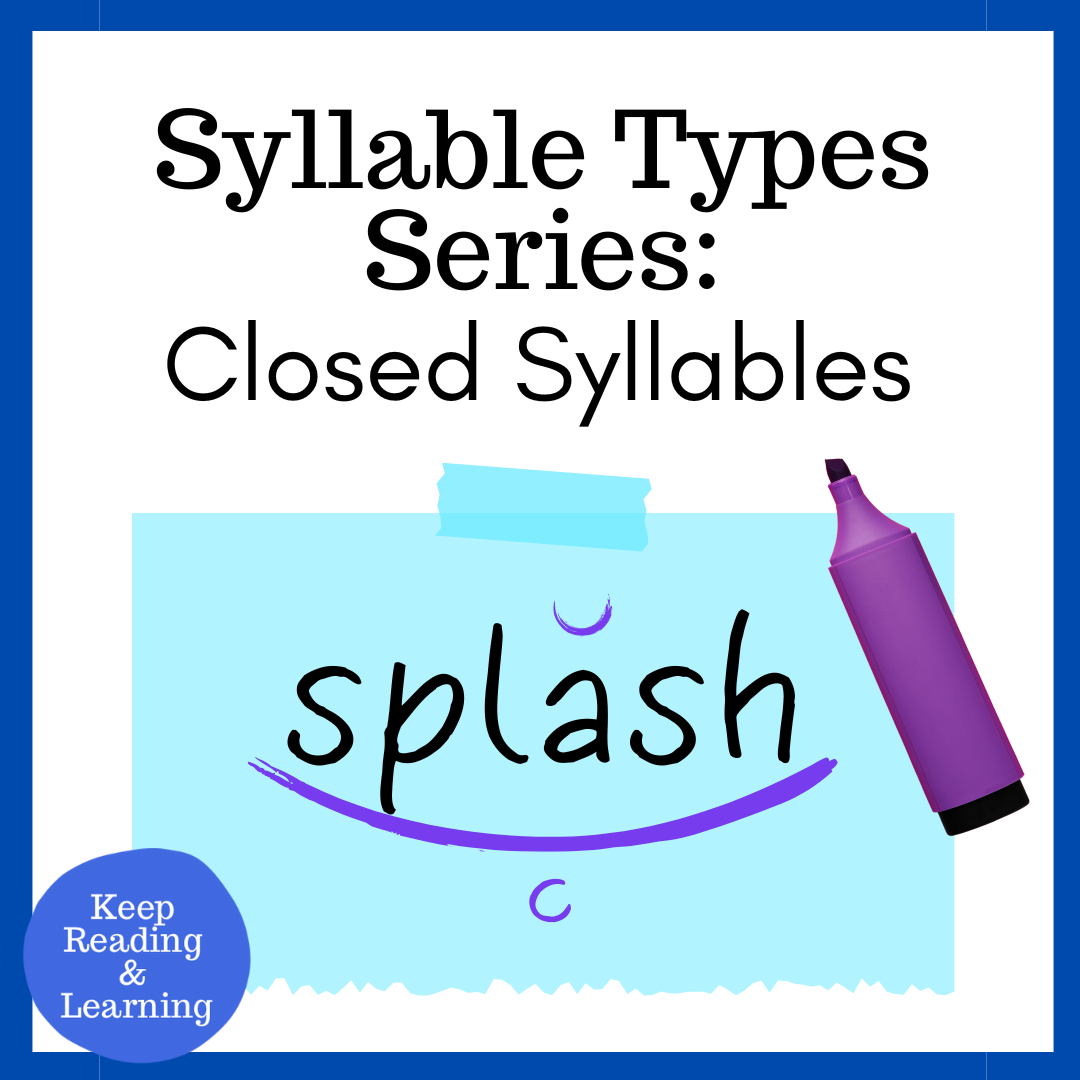
Syllable Types Series: Closed Syllables
Research shows that understanding the six syllable types boosts student performance in reading and spelling….
