
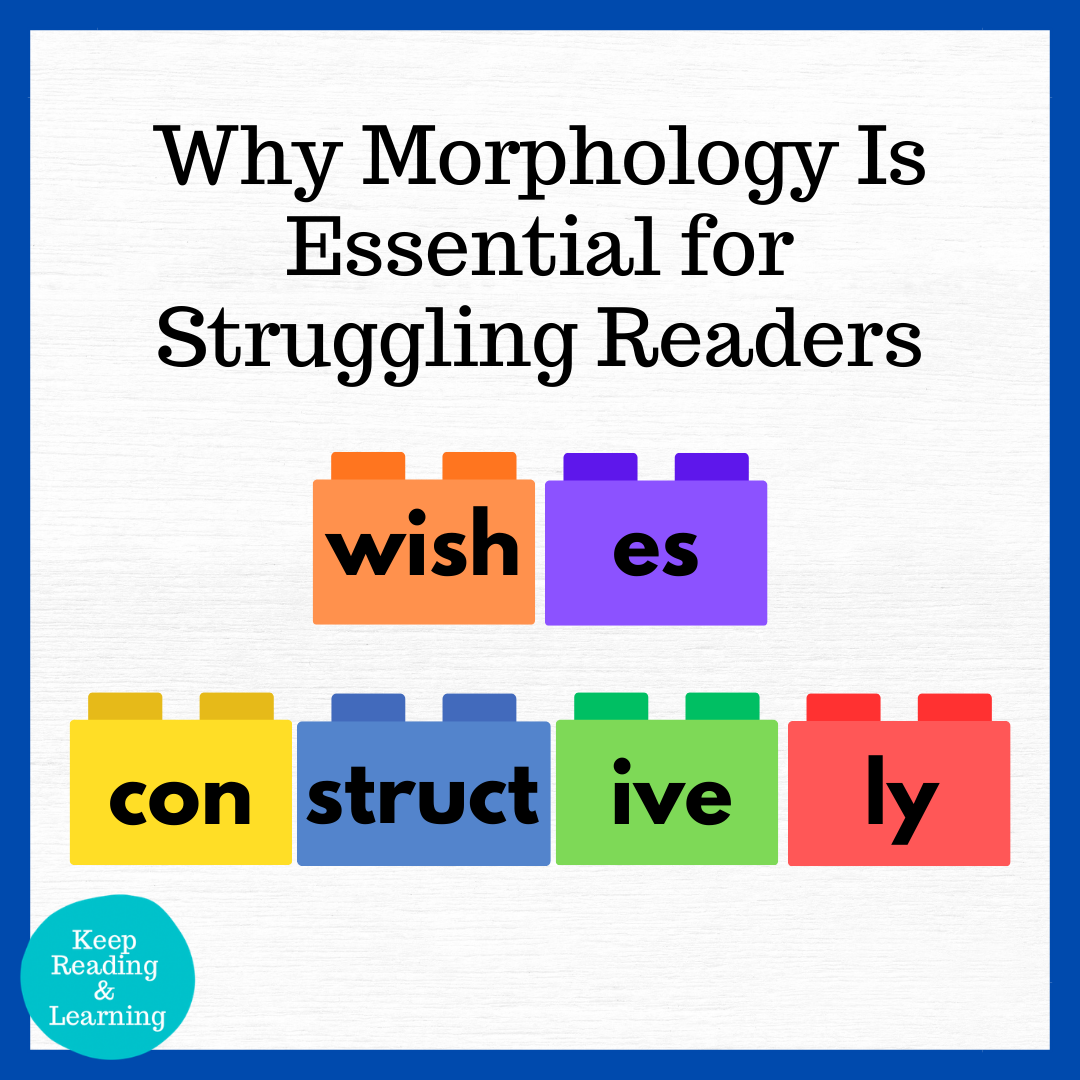
If you’re following the science of reading, you’re likely teaching phonemic awareness and phonics. But…
Category: Literacy Skills
Phonics

Continue Reading
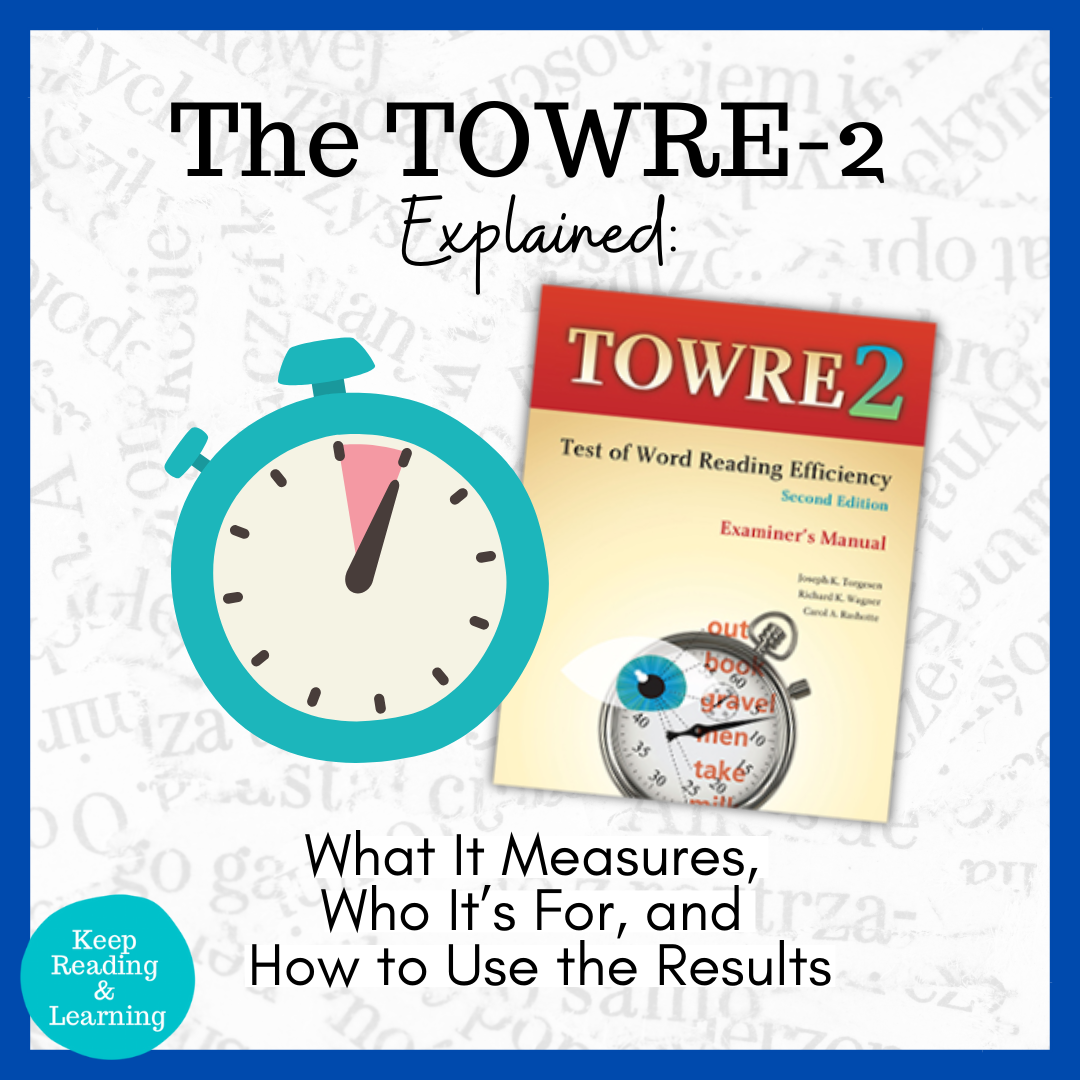
TOWRE-2 Test Explained: What It Measures, Who It’s For, and How to Use the Results
This post answers a common question educators ask: What is the TOWRE-2, what does it…
Intervention
Continue Reading
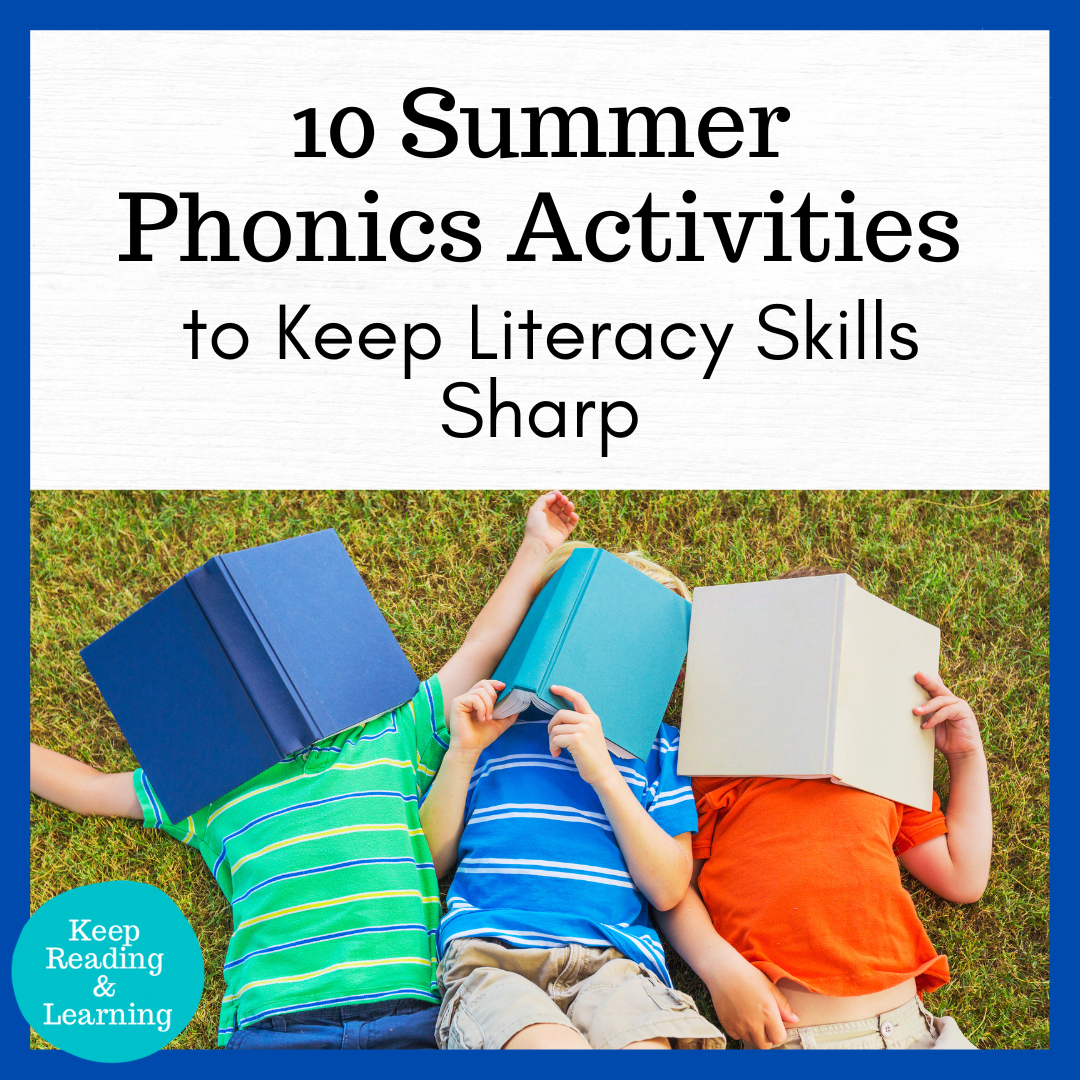
10 Summer Phonics Activities to Keep Literacy Skills Sharp
Summer is a time for fun and relaxation, but it’s also when many young readers…
Phonological Awareness
Continue Reading
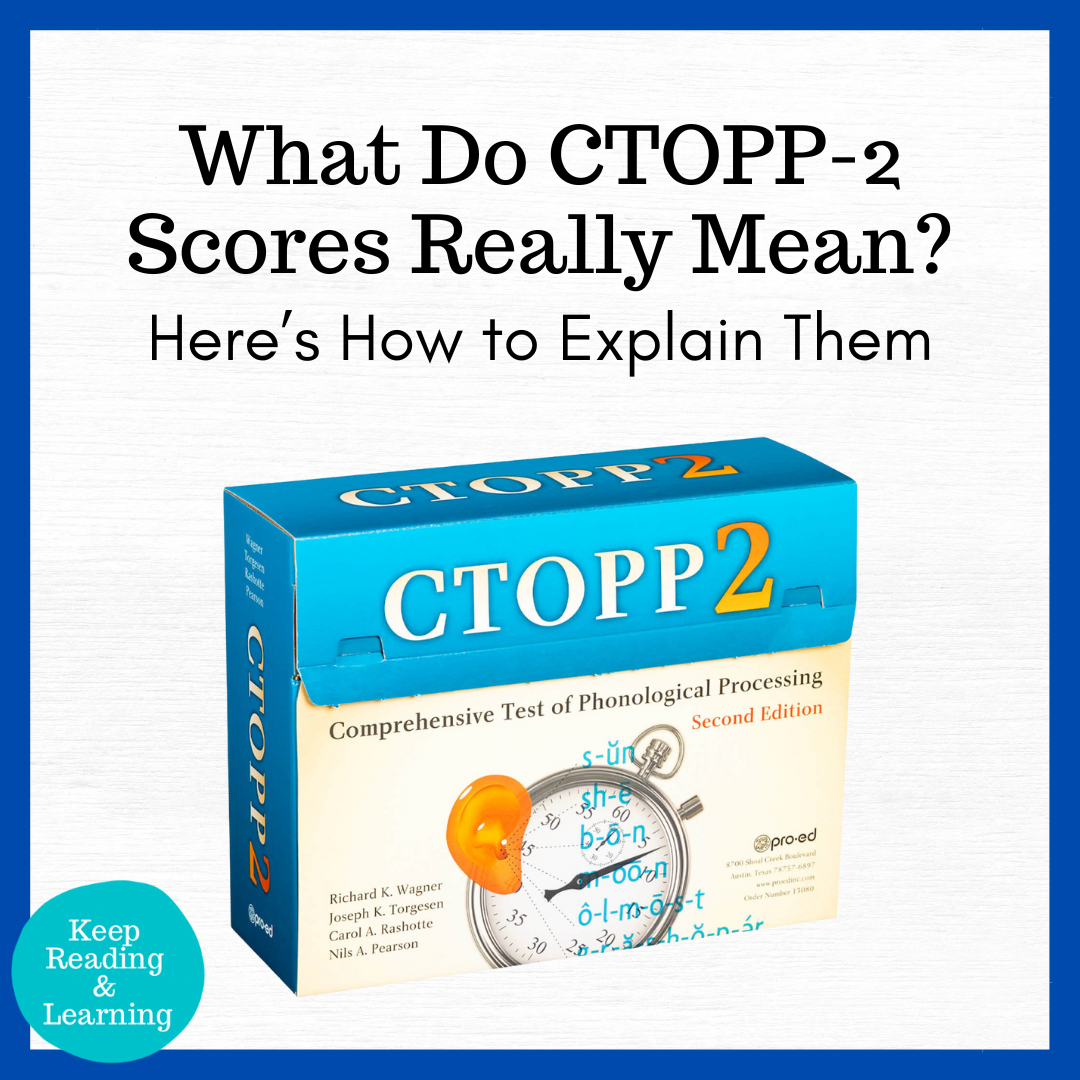
CTOPP-2 Score Interpretation: How to Write Clearer Reports
Understanding CTOPP-2 score interpretation is essential for writing clear, helpful evaluation reports that truly reflect…
Literacy Skills
Continue Reading
Science of Reading Meets Summer Reading: Your Structured Literacy Homework Plan
Planning structured literacy homework doesn’t have to be overwhelming. Whether you’re prepping for summer school…
Phonological Awareness
Continue Reading
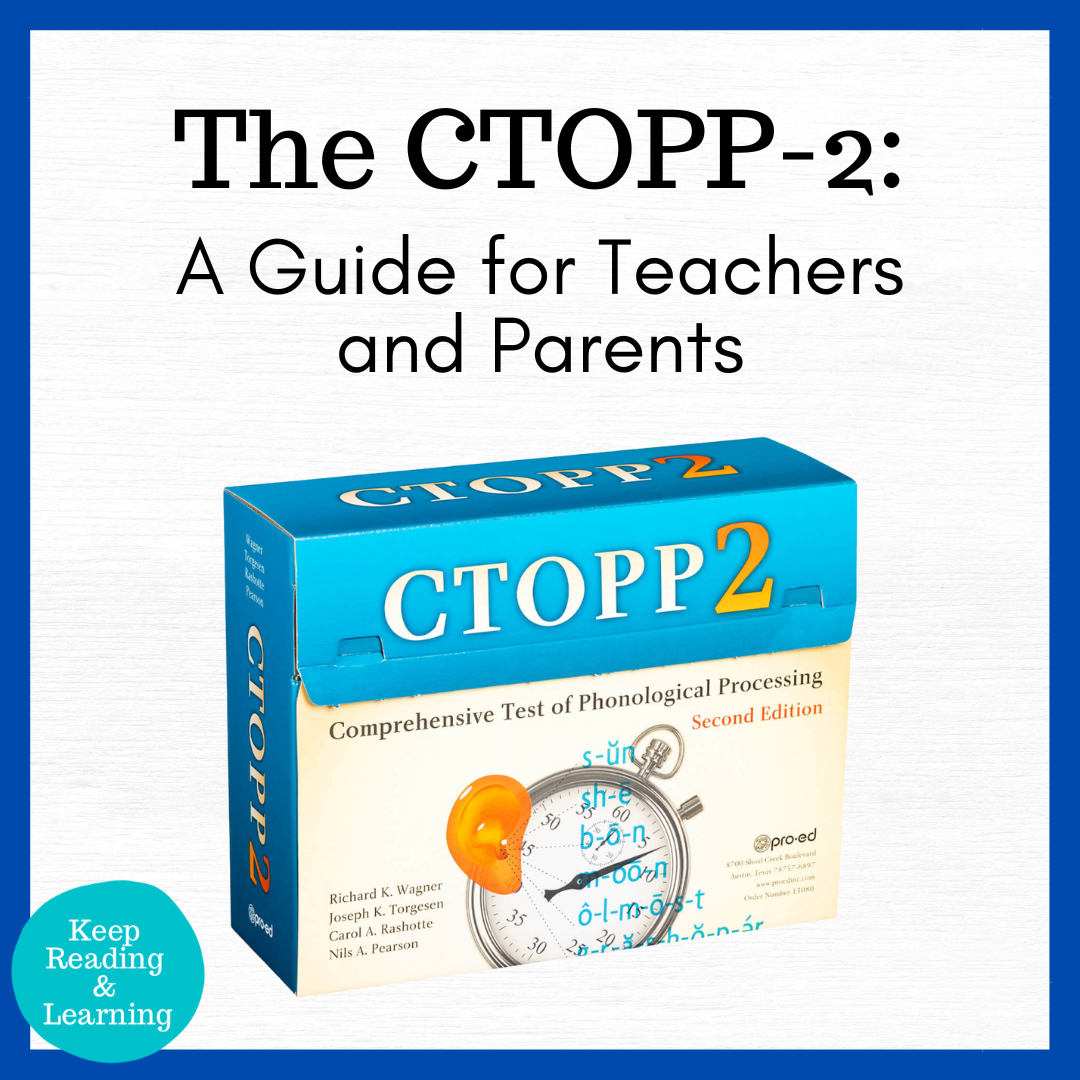
Understanding the CTOPP-2: A Guide for Teachers and Parents
The CTOPP -2 (conversationally referred to and pronounced as the “See Top”) is a test…
Intervention
Continue Reading
Top Picks: Decodable Books for Wilson, Orton Gillingham, and Structured Literacy Instruction
Are you looking for decodable books your students can confidently read at home or in…
Phonics
Continue Reading
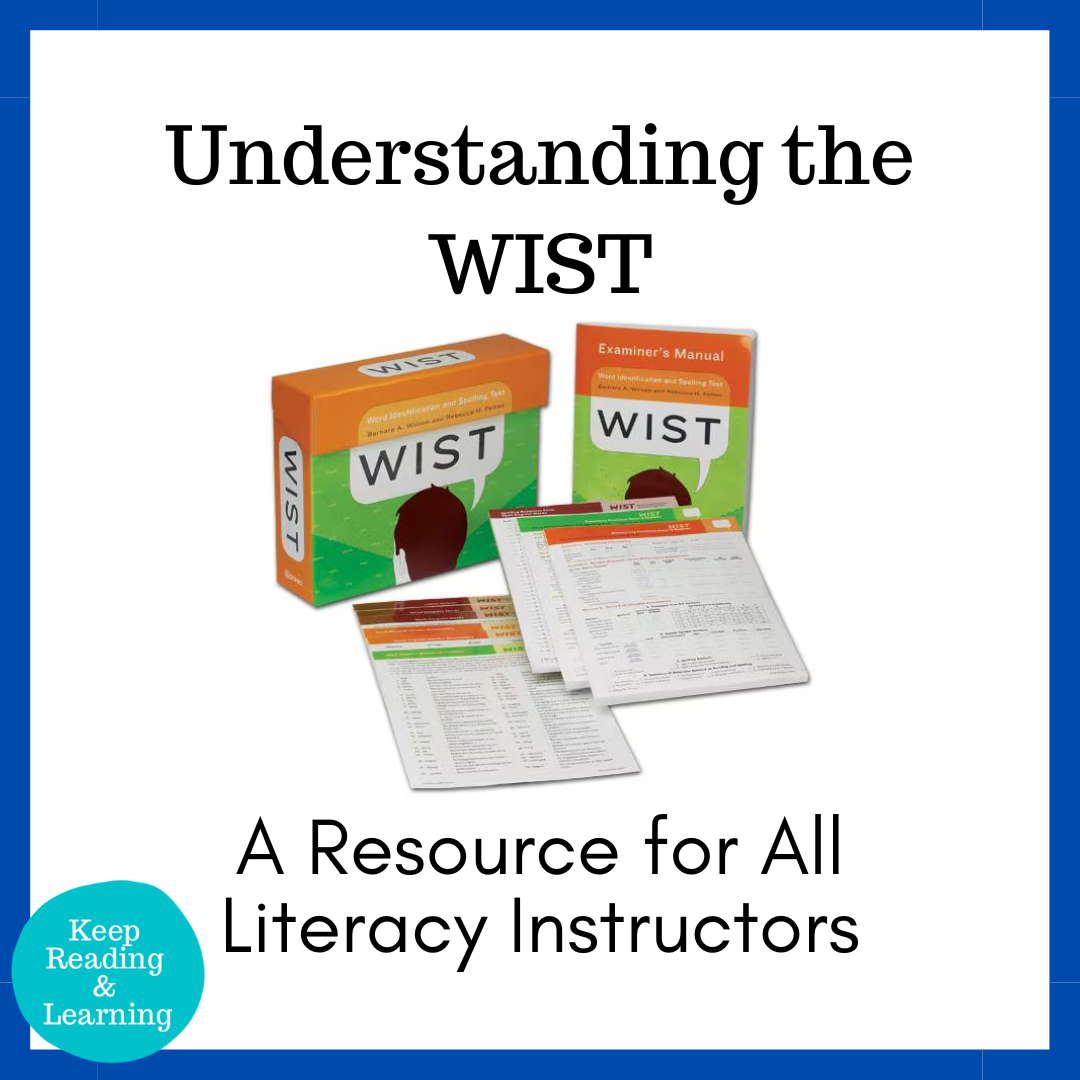
Understanding the WIST: A Resource for All Literacy Teachers
The Word Identification and Spelling Test (WIST) is a valuable tool for assessing foundational literacy…
Intervention
Continue Reading
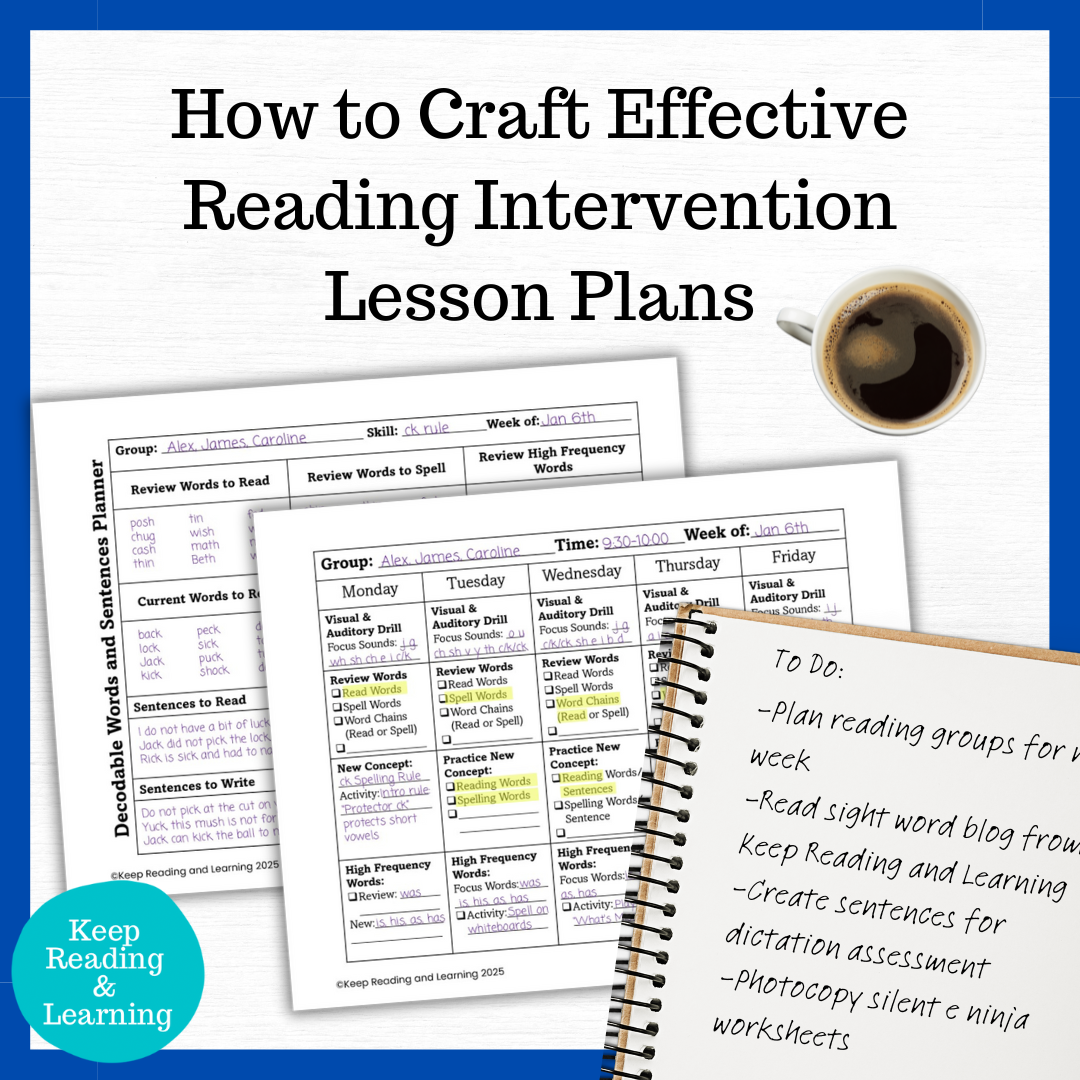
How to Craft Reading Intervention Lesson Plans
When it comes to planning reading intervention lesson plans, having a structured program can make…
Intervention
Continue Reading
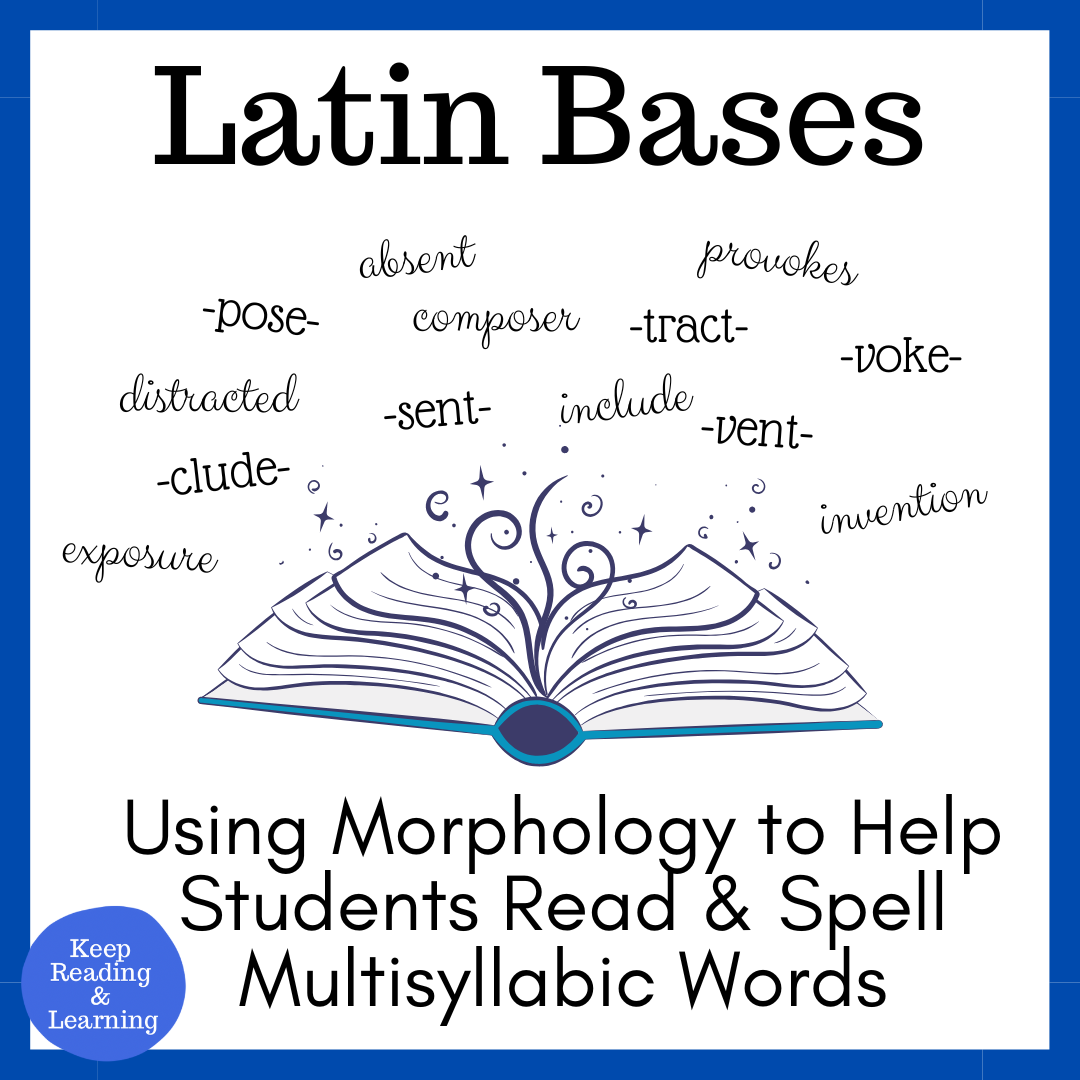
6 Ways to Incorporate Latin Bases: Help Students Read and Understand Multisyllabic Words
Does the thought of teaching morphology through Latin bases scare you? Are you afraid you…
